
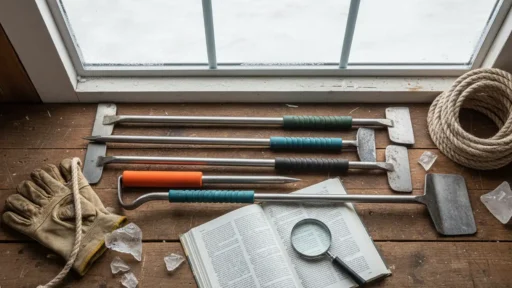
Spud Bar for Ice Fishing: The Ultimate Buyer’s Guide & Top Picks
Spud Bars for Ice Fishing 2026: Real Weight and Sound Tests I stood on four inches of clear…

When considering the question of how thick does ice have to be to ice fish on a lake, it is essential to understand what ice thickness signifies in the context of ice fishing. Ice thickness is crucial because it determines whether it is safe to walk, fish, or even drive vehicles on the ice without the risk of breaking through. Generally, it is recommended that ice be at least four inches thick for safe ice fishing to occur. However, this amount can vary based on a number of environmental factors.
One primary factor affecting ice thickness is temperature. Fluctuations in temperature can significantly influence the formation and stability of ice. For instance, sustained cold temperatures promote thicker ice, whereas warmer temperatures can lead to thinning and melting. Additionally, ice formation may occur unevenly, where some areas are significantly thicker than others. Thus, it is vital for anglers to check the ice thickness at multiple points across the lake before setting up their gear.
Snow cover plays another critical role in determining ice thickness. A heavy layer of snow can insulate the ice, preventing it from freezing as efficiently, which can result in thinner ice beneath the snowpack. Conversely, clear conditions allow sunlight to penetrate, potentially aiding in ice growth if temperatures remain low. Lastly, water currents must also be taken into account, as moving water can lead to weaker ice formations, especially around inlets and outlets. Overall, understanding the interplay of these elements is crucial for ensuring a safe and successful ice fishing experience.
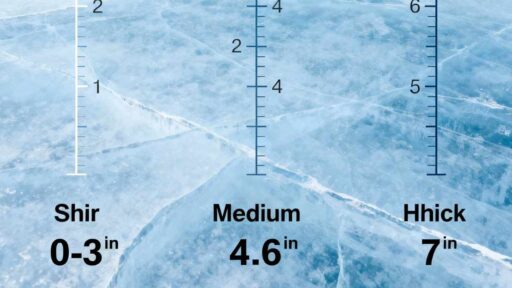
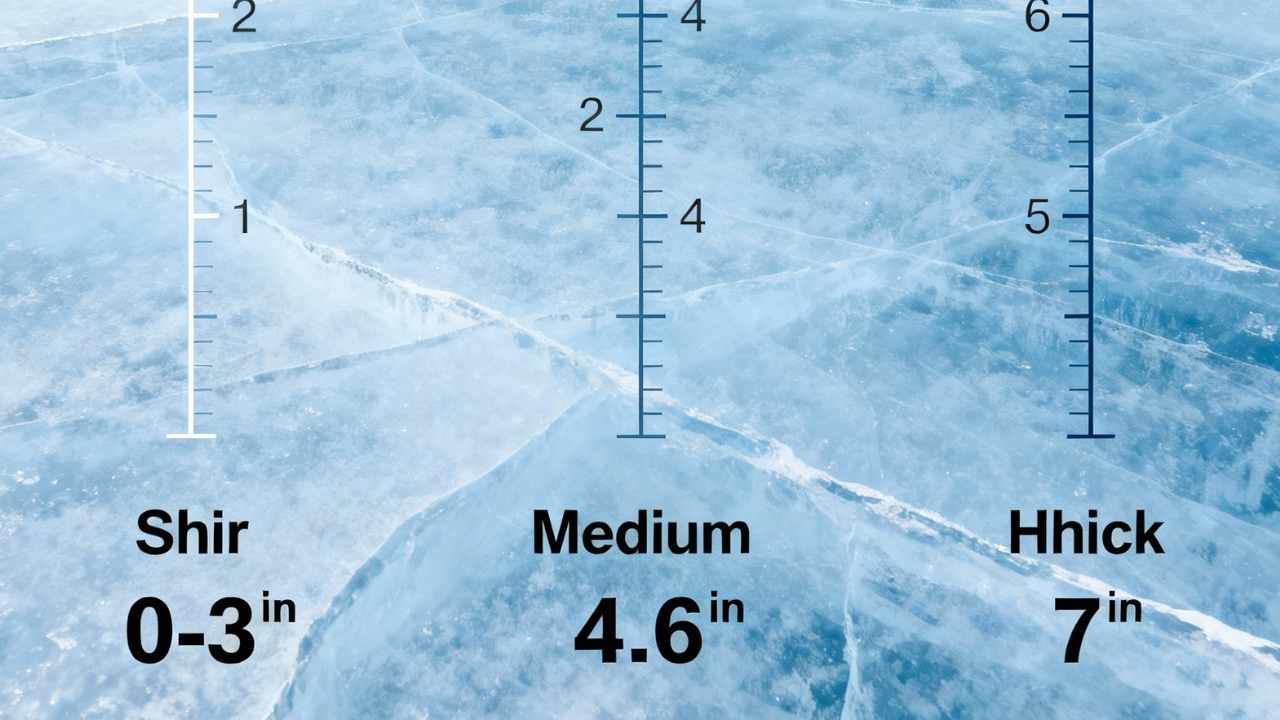
Understanding how thick does ice have to be to ice fish on a lake is crucial for ensuring the safety of individuals engaging in this popular winter activity. Ice thickness can vary significantly depending on several factors, including water currents, temperature fluctuations, and the presence of snow cover. As a general guideline, a minimum thickness of four inches of clear ice is recommended for safe ice fishing. This thickness provides a secure surface for one or two anglers and allows for the use of standard fishing gear.
For those considering walking on ice, a thickness of at least four inches is advisable. However, if you plan to ride snowmobiles, the ice should be at least five to six inches thick. Vehicles, such as cars or trucks, require more robust ice conditions, typically between eight to twelve inches. These guidelines ensure that the ice can support the weight and movement of individuals and equipment, minimizing the risk of breaking through.
It is also essential to test the ice thickness wisely. You can use an ice auger or a spud bar to drill or chisel a hole and measure the thickness. It is advisable to check the ice thickness at various locations, as ice can be uneven, with some areas being significantly thinner than others. Additionally, look for signs of cracks, slush, or water on the surface, as these indicate weak spots that should be avoided. Always wear appropriate safety gear, such as a life vest, and consider bringing a buddy when heading out onto the ice. By following these guidelines, you can confidently enjoy ice fishing while prioritizing your safety and that of others on the ice.
The formation of ice on lakes is a complex process influenced by a variety of environmental conditions. Understanding these factors is crucial for anyone interested in ice fishing, as it directly relates to how thick the ice must be for safety. One of the primary influences on ice formation is the local weather conditions. Temperature fluctuations, especially during early winter, can significantly impact the strength and thickness of the ice. For example, prolonged periods of below-freezing temperatures contribute to thicker ice, while warmer spells can impede its formation.
Moreover, precipitation, whether in the form of rain or snow, plays a substantial role. Rain falling on an already frozen surface can create a layer of slush, which may temporarily strengthen the ice. Conversely, heavy snowfall can insulate the ice, preventing it from freezing adequately beneath it. This capsulated condition can be dangerous, as the underlying ice may remain thinner than expected, affecting how thick does ice have to be to ice fish on a lake safely.
Water currents within the lake should also be considered. Lakes with strong currents often experience uneven ice formation, leading to areas that may be safe while others may not be. This is particularly true near inlets and outlets, where moving water can prevent the ice from forming correctly. Additionally, the geographical features of the lake itself, such as depth and shoreline structure, can influence localized ice conditions. Shallow areas may cool faster and hence freeze more quickly compared to deeper sections of the lake.
In order to ensure safety while ice fishing, it is essential to evaluate these environmental factors consistently. Monitoring the conditions will provide a better understanding of whether the ice thickness is appropriate for fishing activities.
Measuring ice thickness is a crucial aspect of ensuring safety for anyone looking to ice fish on a lake. It is important to assess the ice to determine if it is thick enough to support your weight and that of any equipment. Various methods and tools are available for measuring ice thickness safely, which can help prevent accidents and promote a safe ice fishing experience.
One of the most reliable tools for measuring ice thickness is an ice auger. This tool allows you to drill a hole in the ice, enabling you to not only check the thickness but also to create an opening for fishing. Typically, using the auger will allow you to determine the ice depth accurately by measuring how far the drill penetrates and the total ice thickness above the waterline.
Another straightforward method involves using a tape measure. Simply check the thickness of the ice by carefully drilling or cutting a hole and inserting the tape measure vertically. Measuring from the bottom of the hole to the top of the ice provides a clear reading of how thick the ice has to be for ice fishing on a lake. It is advisable to take multiple measurements in different locations to ensure the thickness is consistent across the area.
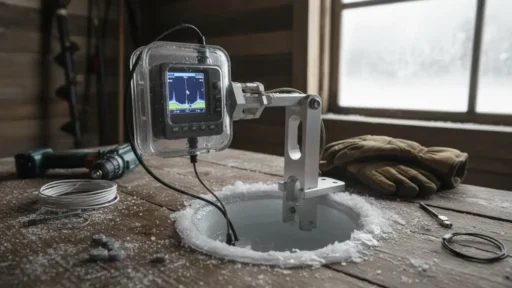
Additionally, sound devices can serve as another technique for measuring ice thickness. These devices work by emitting sound waves and analyzing the returning signals to determine thickness. This method can be particularly effective as it allows for quick assessments over a larger area without the need to drill multiple holes. However, understanding how these devices work and ensuring proper use is essential.
In conclusion, adopting safe practices when measuring ice thickness is integral for ice fishing enthusiasts. Whether using an ice auger, tape measure, or sound devices, each method can yield accurate readings to determine how thick the ice has to be for ice fishing on a lake. Always prioritize safety and perform thorough checks before venturing onto the ice.
When considering the question of how thick does ice have to be to ice fish on a lake, it is essential to prioritize safety. While it is tempting to venture onto the frozen surface without paying close attention to its condition, certain signs indicate that the ice may not be safe for fishing. Recognizing these visual and auditory cues can help prevent accidents.
One of the most apparent signs of unsafe ice is the presence of cracks. These fissures can vary in size and indicate that the ice is under stress. Cracks may appear as thin lines or wide gaps, and when you notice them, it is crucial to proceed with caution or reconsider your decision to fish that day. Additionally, a color change in the ice can signal potential danger. Clear, bluish ice is generally deemed safe, while white or cloudy ice, often characterized by air bubbles trapped inside, tends to be weaker and less reliable.
Another auditory cue to be aware of is the sounds that ice can make. Shifting ice may produce creaking or groaning noises, which suggest that the ice is moving and possibly unstable. It’s essential to be attentive to these sounds while on the ice, as they can provide an early warning of possible breakage or weakening. Furthermore, watch for areas of slush or water pooling on the surface; these conditions further indicate that the ice has become compromised.
In conclusion, understanding how thick does ice have to be to ice fish on a lake is vital, but it is equally important to recognize the signs of unsafe ice. Paying close attention to cracks, color changes, and the sounds of the ice can significantly enhance your safety while engaging in this winter activity. Always prioritize safety and know when to turn back, regardless of the thickness of the ice.
Falling through the ice while ice fishing can be a frightening experience. It’s crucial to remain calm and take immediate action to increase your chances of survival. The first step is to assess your surroundings. If someone is with you, shout for help while ensuring they do not put themselves in danger by attempting to rescue you without the proper safety equipment.
Once you find yourself in the cold water, try to turn towards where you fell in. Positioning your body so your arms are on the unbroken ice is vital. Use your arms to pull yourself onto the ice while simultaneously kicking your legs to propel yourself forward. This technique helps distribute your weight across the surface of the ice and reduces the risk of breaking through more. If the ice is too thin to support your weight, avoid thrashing, as this can lead to exhaustion.
If you manage to pull yourself up onto the ice, roll away from the hole to help distribute your weight over a broader area. Also, it’s essential to keep your head above water and ensure you start moving away from the hole immediately. Once you are safely on solid ice, you should seek assistance. Use your cell phone to call for help if you are unable to get to a safe area. In remote locations, having a whistle or signaling device can be invaluable in attracting attention.
Preventive measures are critical during ice fishing. Always check how thick does ice have to be to ice fish on a lake before heading out. If conditions are uncertain or the ice appears thin, consider staying off the ice altogether. Knowing what to do in an emergency can save lives and ensure a safer ice fishing experience.
When contemplating the activity of ice fishing on a lake, one must consider the thickness of the ice as a critical factor in terms of safety and success. How thick does ice have to be to ice fish on a lake is a question that weighs heavily on the minds of anglers, especially in situations where the ice thickness is borderline. Engaging in ice fishing on thin ice requires adherence to best practices to minimize risks while maximizing the experience.
Choosing the right fishing locations is paramount when dealing with thinner ice conditions. Opt for areas with consistent ice thickness that are known to support fishing. Lakes that have been tested by other anglers may prove safer, as established paths may indicate more reliable ice. Additionally, it is advisable to avoid areas with visible cracks or slushy patches, as these can signify weak spots.
As for equipment, lightweight gear is preferable when on thin ice. An auger is essential for creating fishing holes, but it is wise to utilize a manual auger to reduce the amount of strain on the ice. Consider using a portable shelter that is easy to set up and dismantle; this can provide protection against the elements without adding excessive weight. When selecting your fishing tackle, lighter options can be beneficial in ensuring that the overall weight is minimal on the ice surface.
When ice fishing on thin ice, it’s crucial to implement strategies to enhance safety. Always fish in groups, as multiple individuals sharing the same ice can create additional stability. Carry safety equipment such as ice picks and flotation devices. Additionally, monitoring local weather conditions is essential; sudden temperature fluctuations can drastically affect ice integrity. By adhering to these practices, anglers can safely enjoy the sport while understanding how thick does ice have to be to ice fish on a lake.
Success in ice fishing is not solely dependent on skill and technique; having the right resources and tools is equally crucial. Whether you are a novice or an experienced ice angler, certain tools can enhance your ice fishing experience while ensuring safety. Understanding how thick does ice have to be to ice fish on a lake is essential, and these tools will aid in that assessment and preparation.
One of the most important tools for any ice fisher is an ice thickness measuring device. A specialized auger or ice saw will help you drill holes and assess ice thickness effectively. There are also various electronic options available, such as ice depth sensors, which can provide readings without the need for manual drilling. Knowing the thickness of the ice is critical; generally, ice should be a minimum of four inches thick for safe ice fishing on lakes.
Weather apps are another vital resource for ice anglers. These applications provide real-time updates on weather conditions, including temperature changes and wind forecasts. Apps like Fishbrain or Ice Fishing Buddy offer tailored features for anglers, enabling you to keep an eye on the conditions that directly affect ice stability.
Safety should always be a primary consideration. As such, it is advisable to invest in an ice fishing safety kit. This kit should include essentials such as flotation devices, a first aid kit, and a fully charged cell phone for emergency communication. Additionally, a set of ice picks and a rope can be life-saving tools in case of an unexpected fall through the ice.
For further reading and to gather comprehensive information on ice fishing safety, the American Sportfishing Association’s website and various local fisheries resource pages can provide valuable insights. Regardless of your experience level, being well-equipped with the right resources can significantly enhance your ice fishing experience while ensuring your safety on the ice.
Understanding the thickness of ice is critical for ensuring safety while ice fishing on a lake. Generally, the recommended minimum thickness for safe ice fishing is at least 4 inches of solid, clear ice. This measurement is essential as it serves as a guideline for anglers and outdoor enthusiasts alike, emphasizing the importance of assessing ice conditions before venturing out. The thickness of ice can vary due to factors such as temperature, currents, and snow cover, making it vital to regularly check these conditions.
Engaging in activities on frozen lakes comes with inherent risks, and being aware of how thick ice has to be to ice fish can significantly reduce these dangers. Beyond knowing the standard thickness required for safety, it is equally important to equip oneself with proper safety gear, such as ice picks, flotation devices, and proper clothing. Furthermore, fellow fishers are encouraged to fish in groups instead of venturing out alone, as this enhances overall safety. Should an emergency arise, having someone nearby can be the key to effective assistance.
Moreover, it is advisable to familiarize oneself with local regulations and guidelines regarding ice fishing and ice thickness, as these can vary by region. Always consult local authorities or experienced anglers when in doubt. Remember that even if the ice appears thick enough, caution should always be exercised. In conclusion, making informed decisions regarding ice thickness and prioritizing safety will help ensure a secure and enjoyable ice fishing experience, allowing individuals to appreciate the serene beauty of frozen lakes without unnecessary risks.