
How Thick Does Ice Have to Be for Ice Fishing: A Comprehensive Guide
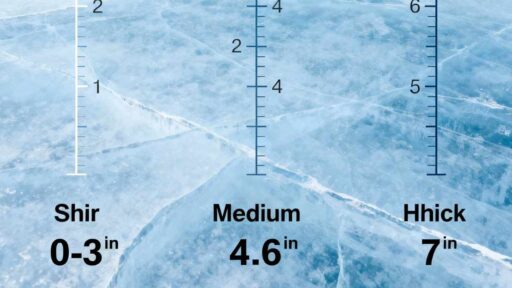
Understanding Ice Thickness When considering the question of how thick does ice have to be to ice fish…
Walleye are a popular target for anglers, especially in the Midwest, where various environmental factors contribute to their thriving populations. These fish predominantly inhabit lakes and rivers with clear water, where they can utilize their keen eyesight to hunt. The type of aquatic environment plays a crucial role in determining where to find them. Walleye tend to favor areas with structure, such as submerged rocks, gravel beds, and weed lines, as these features provide them with cover and hunting grounds. Thus, understanding these habitats is key to answering the question, where is the best place to fish for walleye in the Midwest?
Water temperature is another significant factor. Walleye prefer water temperatures ranging from 65 to 75 degrees Fahrenheit. In cooler months, they migrate to deeper waters, while during the warmer months, they can be found in shallower areas. Additionally, the depth of water plays a critical role in their distribution. During spring, walleye often move into shallow waters to spawn, making areas such as river mouths ideal locations for fishing at this time of year.
Vegetation is also an important aspect of walleye habitat. Areas with abundant aquatic plants provide both shelter and a source of food for walleye. These plants attract smaller fish, which serve as prey for larger walleye. Consequently, anglers should look for areas where vegetation intermingles with rocky or sandy bottoms, as these sites are likely to yield successful catches.
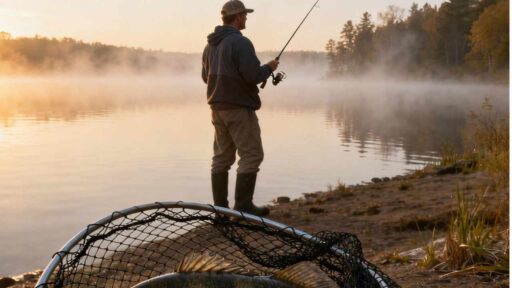
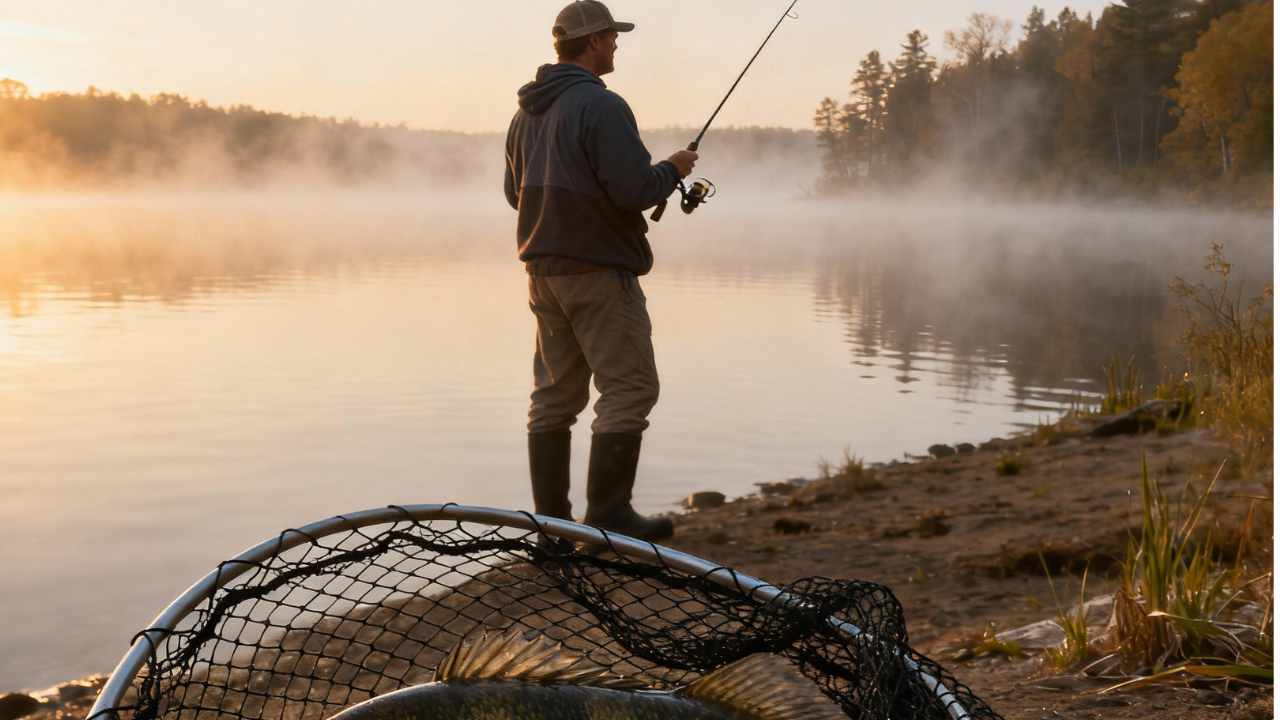
Seasonal behaviors of walleye further influence their migration patterns and feeding habits. In summer, walleye typically feed during low-light conditions, becoming more active at dawn and dusk. This information is vital for anglers to identify the best times to fish. Ultimately, recognizing the essential habitat factors of water temperature, depth, and vegetation will guide anglers in their quest for finding walleye, thus enhancing their fishing experience in the Midwest.
When considering where is the best place to fish for walleye in the Midwest, several distinguished locations come to mind, each offering unique geographical features and diverse fishing experiences. One of the most prominent is Lake Erie, renowned for its substantial walleye population and varied fishing conditions. Stretching across multiple states and parts of Canada, Lake Erie has plentiful access points, including numerous marinas and state parks. The optimal time to fish here is generally between May and July, when walleye migrate into shallow waters to spawn. Anglers typically enjoy success using jigs or trolling with crankbaits.
Mille Lacs Lake in Minnesota is another exemplary location for walleye fishing. This expansive body of water offers numerous fishing opportunities due to its varied structure, including rocks, weeds, and sandbars. The lake supports a robust walleye population, making it a favored destination for many anglers year-round. It is advisable to visit Mille Lacs in the early spring or late fall for the best chances of catching trophy-sized walleye. Using live bait such as leeches or shiners tends to yield favorable results, especially during these peak times.
The Mississippi River is also noteworthy when exploring where is the best place to fish for walleye in the Midwest. Spanning several states, the river provides intricate channels and eddies that create prime walleye habitats. Key areas, particularly in the Upper Mississippi, can be excellent for walleye fishing in both spring and fall. Anglers must be prepared to adapt to varying conditions and should ensure compliance with local regulations regarding fishing limits and seasons. Popular techniques include drift fishing and using jigs to effectively target walleye hiding in the current.
Walleye fishing requires a combination of effective techniques and the right bait to yield successful results. Among the numerous methods employed by anglers, trolling, jigging, and drift fishing stand out as the most effective approaches for targeting this sought-after species. Each technique has its unique advantages and can be adapted based on the water conditions and walleye behavior.
Trolling involves pulling baits or lures behind a moving boat, covering more water and allowing anglers to locate active schools of walleye. When engaging in this method, it is crucial to maintain the proper speed; typically, a range of 1.0 to 2.5 miles per hour proves effective. Successful trolling often includes the use of a variety of lures, such as crankbaits or spinners, that can mimic the movements of prey, enticing walleye to strike.
Jigging is another popular technique that presents a different strategy. By vertically dropping a jig to the desired depth and then lifting and dropping it, anglers can effectively imitate injured baitfish. This method is especially useful in areas with structured bottoms, such as rocky ledges or submerged vegetation. Focusing on areas where walleye typically hide, such as deep pools or near current breaks, can yield the best results.
Drift fishing, on the other hand, allows anglers to present their bait naturally as they float with the current. This method can be particularly effective during low-light conditions when walleye are actively foraging. Utilizing live bait such as leeches or nightcrawlers can significantly increase your chances of a catch, as these selections imitate the natural prey walleye seek.
Moreover, the choice of bait is paramount. Depending on the local environment and conditions, anglers can opt for live bait or artificial lures to attract walleye. Understanding the nuances of where is the best place to fish for walleye in the Midwest will further enhance your selection process. By mastering these techniques and choosing appropriate bait, anglers will increase their likelihood of landing walleye during their fishing excursions.
To enhance your walleye fishing experience in the Midwest, understanding key factors such as timing, water conditions, and walleye behavior is crucial. Anglers often find that early morning and late evening are the best times to fish, as walleye tend to be more active during low light conditions. Additionally, spring and fall are typically favorable seasons for walleye fishing, as these periods align with their spawning and feeding behaviors. By planning trips around these times, anglers can significantly increase their chances of success.
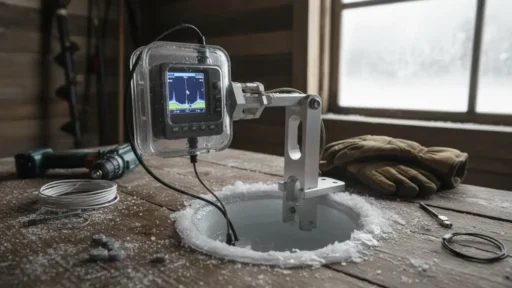
Reading the water is another essential skill for walleye fishing. Ideal locations often include areas with structure such as submerged rocks, underwater ledges, weed beds, and drop-offs. Walleye prefer to lurk near these structures for cover and ambush opportunities. Use technology such as fish finders to identify underwater structures and look for signs of walleye presence. Areas with current, like river mouths or fast-moving water, can also enhance your chances of encountering this species.
Understanding walleye behavior involves recognizing that they tend to be solitary or found in small groups. This means that when you catch one, it is beneficial to remain in the same area, as more may be nearby. Moreover, walleye are sensitive to changes in water temperature and clarity, which can impact their feeding times. Adjust your fishing tactics accordingly based on these changes.
Safety should always be a priority on the water. Familiarize yourself with local regulations, practice catch and release where appropriate, and always wear a life jacket. Handling walleye properly is essential; use wet hands when handling them to preserve their slime coat, and always have a plan for releasing fish swiftly to ensure their survival. By following these guidelines, you can enjoy successful walleye fishing while promoting sustainable practices in the Midwest.