

The Best Barometric Pressure for Ice Fishing: A Comprehensive Guide
Understanding Barometric Pressure Barometric pressure, also known as atmospheric pressure, is the force exerted by the weight of…

Ice fishing has witnessed a significant surge in popularity over the last decade, with the number of participants growing to approximately 2.5 million annually across North America. This increase not only highlights the recreational appeal of ice fishing but also underscores its substantial financial impact on local economies, often generating millions in revenue for winter tourism. This engaging pastime has transformed frozen lakes into bustling hubs of outdoor activity, drawing enthusiasts from various demographics.
The excitement surrounding ice fishing stems from its unique blend of skill, patience, and enjoyment of the outdoors during the winter months. Anglers equipped with specialized gear and appropriate licenses set out to experience the thrill of catching fish while surrounded by the serene beauty of a winter landscape. The emergence of state-of-the-art equipment, including portable shelters and advanced sonar technologies, has further fueled the trend, making ice fishing more accessible and enjoyable for both seasoned enthusiasts and newcomers alike.
This burgeoning interest has significant implications for key stakeholders. Local businesses, including bait shops, equipment retailers, and rental services, benefit from the increased demand for supplies and gear. Furthermore, regional economies that rely heavily on tourism during colder months depend on the influx of ice fishing participants to maintain their viability. Communities that support ice fishing through organized events and competitions often see a further boost in their economies, reinforcing the importance of this winter pastime. As ice fishing continues to grow, it fosters a sense of community among participants and encourages environmental stewardship of frozen waterways.
Ice fishing, a popular winter recreational activity, has seen increasing participation rates in recent years. According to the American Sportfishing Association, over 3 million anglers in the United States participate in ice fishing annually. This figure demonstrates the significant appeal of this unique fishing experience, which not only provides an opportunity to engage with nature but also fosters community connections among enthusiasts.
The economic impact of ice fishing on local communities is substantial. Research conducted by the U.S. Fish and Wildlife Service shows that ice anglers contribute approximately $1.5 billion to the economy each winter season. This contribution comes from various expenditures including equipment, bait, travel, and lodging, significantly benefiting local businesses such as bait shops, rental services, and hotels. Furthermore, many areas that host ice fishing activities often see an uptick in tourism during the winter months, further bolstering local economies.
Ice fishing’s popularity can also be attributed to the diverse accessibility it offers. Unlike traditional fishing, which may depend on specific gear or weather conditions, ice fishing can be enjoyed by anglers of all skill levels, making it an inviting option for newcomers. Moreover, the sport often emphasizes the social aspect, as many people fish in groups, creating an environment that fosters bonding and shared experiences. This camaraderie can be particularly appealing to new anglers looking to connect with others who share their interests.
As new anglers consider embarking on their first ice fishing trip, understanding these statistics about participation and economic contributions can highlight the appeal and importance of participating in this winter pastime. Overall, the thriving community and economic benefits associated with ice fishing serve as a compelling justification to explore the frozen waters during the colder months.
Embarking on your first ice fishing trip requires careful preparation, particularly regarding the essential gear needed for a successful outing. Organizing your equipment into distinct categories—clothing, fishing equipment, and maintenance items—can help ensure you are well-prepared for the conditions you will encounter.
When it comes to clothing, the most critical aspect is layering. Invest in a moisture-wicking base layer, an insulating mid-layer such as fleece, and a waterproof outer layer to protect against wind and snow. Durable boots designed for freezing temperatures are essential, as they will keep your feet warm and dry. Additionally, wearing insulated gloves and a hat will further enhance warmth, allowing you to remain comfortable while fishing. Expert opinions emphasize the significance of quality clothing, stating that it directly affects your overall experience on the ice.
Your fishing equipment is equally important. A reliable ice fishing rod and reel combination tailored for the species you intend to catch will significantly influence your success. For beginners, a medium-action rod paired with a spinning reel is versatile enough for various fishing scenarios. Choose high-quality ice fishing tackle, including jigs, lures, and bait, to optimize your chances of a rewarding catch. Personal anecdotes from seasoned ice anglers reinforce the need for durable and effective fishing gear, which can mean the difference between a good day on the ice and a frustrating experience.
Finally, maintenance items play a crucial role in ensuring a seamless trip. A portable ice auger or hand auger is needed to create your fishing hole, while an ice skimmer helps to keep your area free of ice. Carrying a first aid kit, ice picks for safety, and a sled for transporting your gear is also advisable. Safety cannot be overstated; it is vital to keep warm and monitor ice thickness to ensure a secure and enjoyable ice fishing experience. Investing in quality gear and prioritizing safety will pave the way for a successful first venture out on the ice.
Choosing an ideal location for ice fishing is crucial for beginners seeking a rewarding experience. Various factors should be considered to ensure success on your first outing. Start by researching local water bodies, as certain lakes and rivers are known for supporting healthy fish populations during the winter months. Popular destinations often include areas where fish congregate, such as near drop-offs, channels, and underwater structures. These spots can offer optimal chances for a good catch.
Another vital aspect is to consult local fishing reports, which can provide insight into current conditions, fish activity, and specific locations that are yielding favorable results. Many regional fishing organizations or government agencies publish regular updates tailored to ice fishermen. They highlight active areas, types of fish being caught, and the best bait to use, which can be highly beneficial for novices.
Seasonal considerations also play a significant role in selecting your fishing spot. Fish patterns differ based on the time of year, so understanding these shifts can greatly improve your chances of catching fish. Generally, fish are more active early in the morning and late in the afternoon when temperatures are cooler. Furthermore, different species prefer different depths and habitats, so knowing what fish you aim to catch can help narrow down your choices.
For those just starting, seeking the assistance of local mentors or guides can provide invaluable support. Many fishing shops and outdoor recreation centers offer guide services that not only teach beginners the ropes but also possess extensive knowledge of the best fishing spots in the area. Engaging with a guide can enhance your ice fishing experience, ensuring you get the most out of your first trip.
Embarking on your first ice fishing trip can be an exhilarating experience, especially when armed with the right techniques. To ensure success on the ice, it is crucial to start by choosing the right location. Research local fishing reports and speak with local anglers to find out which areas are most promising for ice fishing.
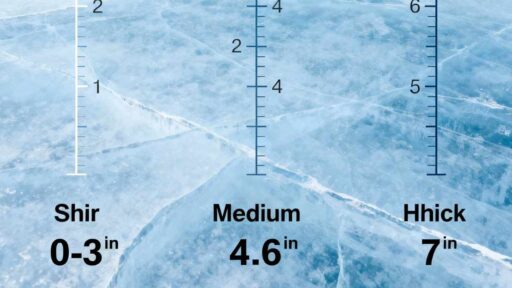
Once you’ve selected a fishing spot, the first step is to drill a hole in the ice. Utilize an auger, either manual or powered, to create a hole that is at least 6-8 inches in diameter, depending on the targeted fish species. Ensure that the ice is safe, typically at least 4 inches thick. As you drill, consider the depth of water and adjust accordingly; fish tend to hover closer to areas with structure, such as underwater plants or drops.
After you have successfully drilled your hole, it’s time to set up your line. Choose between different rigs based on your fishing preference. A simple option for beginners is a jigging rig, where you can use a small weighted hook or jig. Lower your bait into the hole slowly, allowing it to settle at a depth where fish are likely to be located. Believe it or not, color and movement significantly impact the attraction of fish, so don’t hesitate to try various bait types like minnows or artificial lures.
When it comes to baiting hooks, ensure you’re using the correct amount to keep it appealing but not overwhelming to the fish. Learn how to detect bites – watch for subtle movements in your line or bobber. Ice fishing can be quiet, so patience and observation are essential. Furthermore, consider the use of a fish finder if you have access to one; it can help trace fish under the ice.
Overall, practicing these core techniques of drilling, setting lines, and baiting hooks will enhance your confidence as a beginner ice fisherman. Embracing these strategies will not only improve your skills but also add to the enjoyment of this unique outdoor adventure.
Ice fishing, as many seasoned anglers will attest, is not just a recreational activity; it is a profound connection with nature that provides a wealth of learning opportunities. Veteran angler John Smith, with over 30 years of experience on frozen lakes, underscores the importance of patience in this craft. “I’ve learned that ice fishing often requires several hours of waiting. You have to become comfortable with the quiet and the stillness of the winter landscape,” he advises. Smith emphasizes that it is this stillness that allows one to truly appreciate the natural world and become attuned to the subtle movements of fish beneath the ice.
Another expert, Emily Carter, a fishing guide in the Midwest, shares her perspective on selecting the right fishing spot. “Don’t just fish wherever there’s ice; look for structures below the surface like submerged rocks or weed beds,” she recommends. According to Carter, understanding the lake’s topography is critical. “Fish tend to congregate around these areas, especially when they are feeding. It’s essential for beginners to do their homework before dropping a line.” This foundational knowledge can significantly enhance the chances of a successful outing.
In addition to tactics, seasoned anglers frequently mention the importance of safety in ice fishing. Tom Johnson, a retired fishing educator, stresses, “Always check ice thickness before venturing out. A minimum of four inches is necessary for walking and at least five inches for a small group.” Johnson warns that conditions can change rapidly, making it crucial for newcomers to prioritize their safety on the ice.
These insights from experienced anglers provide valuable foundations for those embarking on their first ice fishing adventure. Their experiences highlight the blend of skill, knowledge, and respect for nature that defines the ice fishing culture.
The landscape of ice fishing is evolving rapidly, influenced by technological advancements, sustainability practices, and changes in recreational fishing regulations. One of the most significant trends reshaping the future of ice fishing is the integration of technology into gear and equipment. Modern innovations such as sonar fish finders, underwater cameras, and remote-controlled augers not only enhance the angling experience but also make it more accessible for novice anglers. These tools provide valuable insights into fish behavior and habitat, allowing anglers to increase their chances of success when venturing out onto the ice.
In addition to technology, there is a growing emphasis on sustainability within the ice fishing community. As environmental awareness increases, organizations and anglers alike are implementing eco-friendly practices aimed at preserving fish populations and maintaining healthy ecosystems. This may include catch-and-release policies, limiting the use of lead tackle, and promoting the responsible management of fishing spots. These practices are not just beneficial for the environment; they are crucial for the long-term viability of ice fishing as a recreational activity, ensuring that future generations can enjoy the sport.
Furthermore, shifts in recreational fishing regulations are also anticipated, influenced by conservation efforts and demographic changes. As more individuals take up ice fishing and conservation-related policies evolve, regulatory bodies might adapt rules surrounding catch limits and fishing seasons. Such changes can create both opportunities and challenges for novice anglers, as they navigate evolving landscapes and ensure compliance with new regulations. Local communities that rely on ice fishing for economic sustenance may also feel the impact of these changes, needing to balance recreational interests with economic viability. Overall, the future of ice fishing holds promise and innovation while fostering a culture of responsibility and respect for natural resources.
Embarking on your first ice fishing trip can be an exhilarating yet daunting experience. Many beginners often fall prey to common mistakes that can hinder their enjoyment and success on the ice. One of the most prominent pitfalls is underestimating the weather conditions. Ice fishing is often contingent upon the temperature, wind, and overall climate. Before heading out, it is crucial to thoroughly check weather forecasts to avoid being caught in severe conditions. Seasoned fishers recommend dressing in layers and packing extra clothing to stay warm since temperatures can drop significantly.
Another mistake often made by novices is insufficient planning regarding gear and equipment. Beginners might overlook essential items such as a quality ice auger, fishing rods suited for ice conditions, or even basic safety gear like ice spikes and life vests. Prior to your outing, create a comprehensive checklist of necessary equipment to ensure nothing is forgotten. Skilled anglers emphasize the importance of investing in the right gear, as it can make a substantial difference in both comfort and efficiency while fishing.
Additionally, many first-time ice fishers fail to adequately research the fishing location. Not all bodies of water are suitable for ice fishing, and it is vital to ascertain that the ice thickness is safe. Resources like local fishing reports or conversing with experienced fishermen can provide valuable insights. Learning to read the ice can prevent accidents and enhance your overall experience.
Finally, newcomers may approach ice fishing with an unrealistic expectation of immediate success. Fishing often requires patience and practice. Understanding that first trips may not yield significant catches can help maintain a positive mindset. By avoiding these common mistakes, beginners can enhance their chances of having a successful and enjoyable ice fishing experience.
As you prepare for your first ice fishing expedition, it is essential to reflect on your readiness to embrace this unique experience. Ice fishing, with its distinct allure, offers not just a chance to catch fish, but also a means to connect deeply with nature and foster relationships with fellow anglers. The simplicity of drilling a hole into a frozen lake, setting up a shelter, and waiting for a bite creates an atmosphere of camaraderie and shared anticipation that is difficult to replicate in other outdoor activities.
Consider the benefits that ice fishing brings. It is not merely about spending time on the ice; it is about immersing yourself in the tranquility of the winter landscape. The crisp air, the stillness around you, and the joy of landing that first fish can be a remarkable experience. Moreover, the skills acquired through ice fishing can enhance your overall fishing proficiency, as you adapt to changing conditions and learn to read the water beneath the ice.
Moreover, participating in this activity provides ample opportunities for social interaction. Whether going out with friends, family, or meeting new people at a local ice fishing spot, the shared experience can lead to lasting bonds. Each fishing trip can become a cherished memory, filled with stories, laughter, and perhaps even some friendly competition.
So, as you reflect on your upcoming ice fishing adventure, ask yourself if you are ready to take the plunge into this exciting endeavor. With the knowledge and confidence gained from this guide, you can embark on your journey with enthusiasm. The ice is waiting, and so are the rewards that come with patience, perseverance, and the joy of fishing in a winter wonderland.